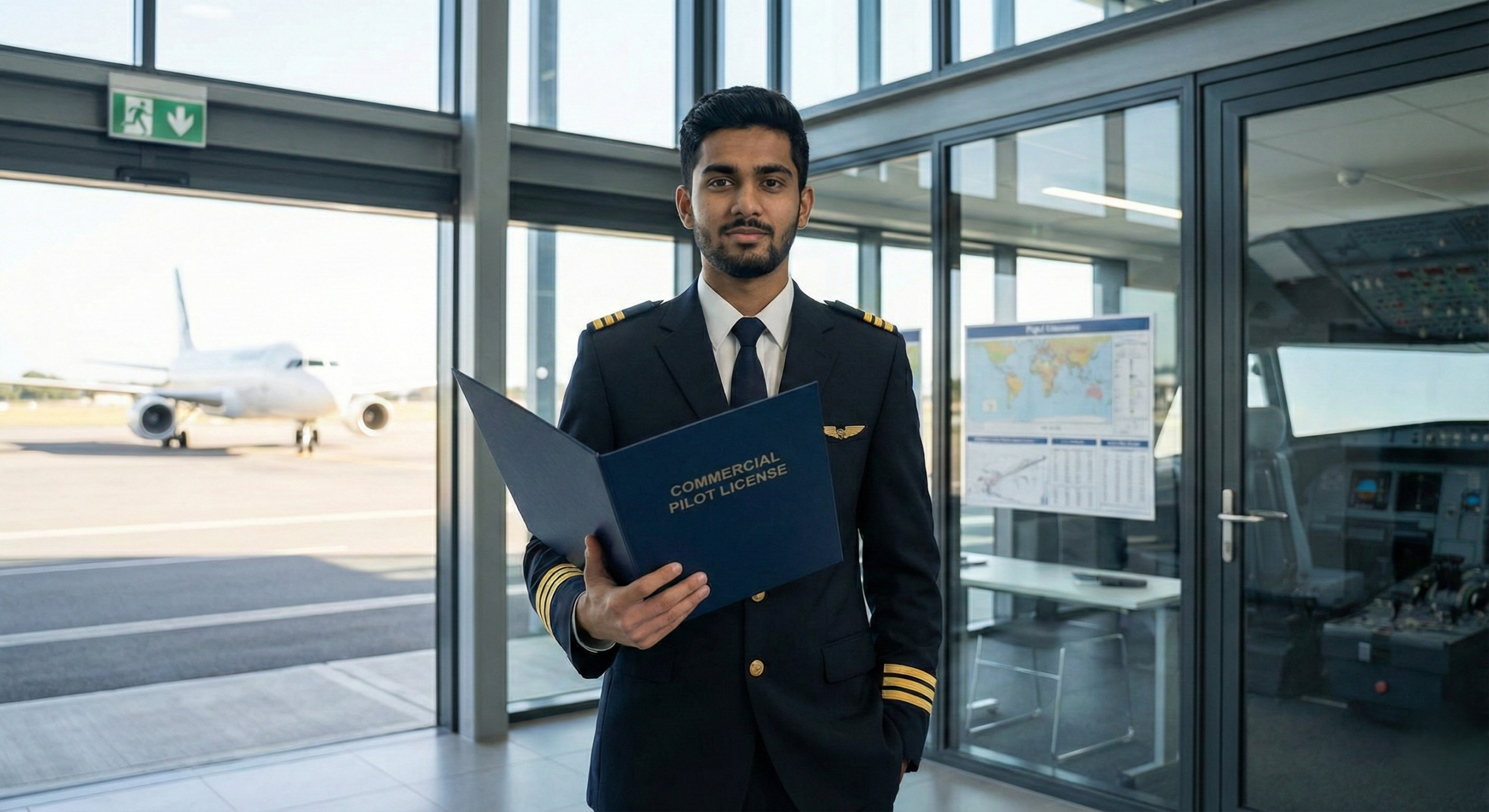
 When aspiring pilots dream of their future, they often envision the physical act of flying: the takeoff, the view from the cockpit, and the thrill of controlling a powerful machine. The primary focus is almost always on the Commercial Pilot License (CPL). While the license is the essential legal document that allows you to fly for compensation, the modern aviation industry demands more than just stick-and-rudder skills.
In today’s competitive global market, the aviation degree value cannot be overstated. A Bachelor of Science in Aeronautics does more than just fill a line on a resume; it provides a comprehensive foundation of knowledge that separates a standard pilot from a future aviation leader. At World Wide Wings, we believe that true career security comes from a dual approach: mastering the aircraft and mastering the academics.
The Shift in Industry Standards
Decades ago, a high school diploma and a pilot license might have been enough to secure a seat in a major airline. Today, the landscape has changed. Major legacy airlines and international carriers increasingly prefer, and often require, candidates to hold a four-year degree.
Why the shift? Modern aircraft are technologically advanced flying data centers. Airlines are businesses that require pilots who understand not just how to fly, but also how to manage resources, understand safety management systems, and navigate complex regulations. A B.S. in Aeronautics demonstrates to recruiters that a candidate possesses the discipline, critical thinking skills, and academic rigor necessary for the highest levels of professional aviation.
Career Resilience and Long-Term Security
A pilot’s career is long, often spanning several decades. While a medical condition or an economic downturn could temporarily ground a pilot, a degree provides a safety net that a license alone cannot.
Beyond the Cockpit
The aviation industry is a vast ecosystem. It includes operations, safety management, accident investigation, airport management, and logistics. By earning a degree alongside flight training, students open doors to these sectors. If a pilot ever decides to transition out of the cockpit whether by choice or necessityhaving a degree ensures they remain valuable assets within the aviation world.
Leadership Opportunities
Captains are managers. They manage the crew, the passengers, the aircraft systems, and the flight path. As pilots progress in their careers, opportunities for management roles such as Chief Pilot, Director of Operations, or Safety Officer become available. These senior positions almost always require a university education. The best aviation university programs focus heavily on these leadership and management aspects, preparing students for the responsibilities that come with four stripes.
The “Learn & Earn” Academic Advantage
Our program allows students to pursue their B.S. in Aeronautics simultaneously with their flight training. This integrated model is the “Smart Alternative” to traditional paths. Instead of spending years in a classroom before touching an airplane, our students apply what they learn in real-time.
- Applied Knowledge: When a student learns about aerodynamics in a lecture, they experience it in the air the same week.
- Time Efficiency: By combining flight hours with academic credits, students graduate with both a degree and a license, ready to enter the workforce years ahead of their peers.
- Global Recognition: A degree from a recognized US institution carries weight globally, enhancing employability not just in the US or India, but in the Middle East, Asia, and Europe.
The Visa and Work Advantage (OPT)
For international students, the degree plays a crucial role in visa regulations. The H-1 visa, which is tied to academic programs, offers a significant benefit: Optional Practical Training (OPT).
Completing a STEM-designated degree like a B.S. in Aeronautics makes international graduates eligible for work authorization in the United States. This allows them to work as professional pilots and flight instructors for an extended period after graduation.
This “work phase” is where the true return on investment happens. Students gain valuable flight hours, earn a salary in US dollars, and build a professional network in the world’s largest aviation market. Without the degree, this pathway to working in the US would be significantly more difficult, if not impossible.
Conclusion: A Complete Aviation Professional
The goal of World Wide Wings is not just to produce license holders, but to shape complete aviation professionals. A license proves you can fly; a degree proves you can think, lead, and adapt.
By prioritizing education alongside training, we ensure our graduates are “future-proof.” They enter the industry not just as pilots, but as educated aviators ready to command the skies and lead the industry.
Invest in your future by choosing a path that offers both. The sky is the limit, but education provides the foundation.